Urinary tract infections, commonly known as UTIs, are among the most common bacterial infections affecting millions of people annually. Many individuals who develop a UTI wonder whether they can simply wait it out without seeking medical treatment. The answer to this question is complicated and depends on several factors including the severity of the infection, your immune system strength, and the specific bacteria causing the infection. This comprehensive guide explores whether UTIs can resolve without treatment, the risks of leaving a UTI untreated, and the importance of seeking professional medical care. Understanding the natural course of UTI development and what happens when infections go untreated is crucial for making informed health decisions. While some people may experience symptom improvement without treatment, leaving a UTI untreated can lead to serious complications that pose significant health risks. The primary goal is understanding when you should seek immediate medical attention and what warning signs indicate your UTI is becoming dangerous.
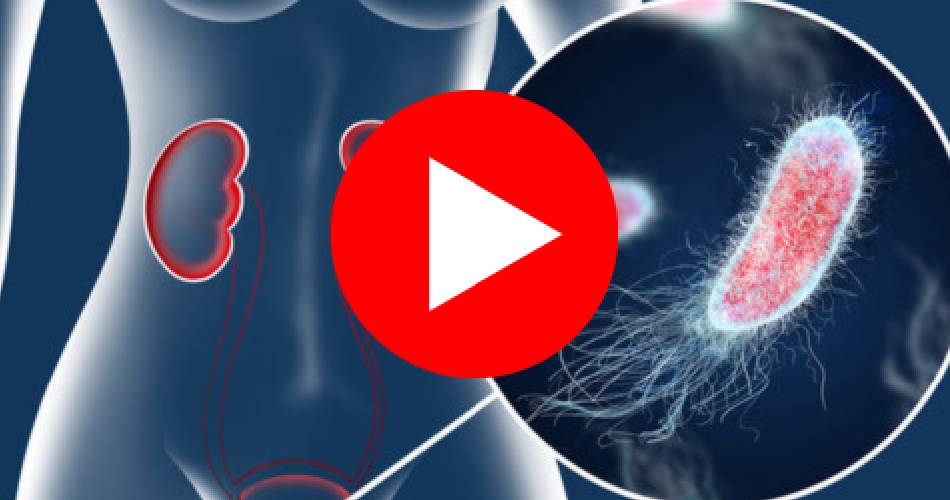
The urinary tract includes the kidneys, ureters, bladder, and urethra, and UTIs can affect any part of this system, though the most common infections involve the bladder and urethra. Cystitis refers to bladder infections while urethritis involves the urethra. The most common bacteria causing UTIs is Escherichia coli, commonly known as E. coli, which normally lives in the intestines and on the skin. Other bacteria that can cause UTIs include Staphylococcus saprophyticus, Klebsiella pneumoniae, and Proteus mirabilis. These bacteria enter the urinary tract through the urethra and travel upward, multiplying and causing infection. UTIs are significantly more common in women than men because the female urethra is shorter and closer to the anus, making bacterial entry easier. However, men can develop UTIs, particularly as they age or if they have urinary tract abnormalities or enlarged prostate glands. Understanding how UTIs develop helps explain why some infections might resolve naturally while others progress to serious complications requiring immediate medical intervention.
The short answer to whether UTIs can go away without treatment is that some UTIs may improve or even resolve without treatment, but this is not guaranteed and carries significant risks. In rare cases, the body's natural immune system can fight off a mild UTI, particularly in younger, healthier individuals with strong immune systems. The urinary tract has natural defense mechanisms including regular flushing of the urethra through urination, which helps remove bacteria, and acidic urine and protective proteins that provide some antimicrobial protection. These natural defenses may successfully eliminate bacteria before a significant infection develops. However, relying on these natural defenses is risky because many UTIs do not resolve without treatment and frequently progress to more serious infections affecting the kidneys, known as pyelonephritis. Studies show that untreated UTIs often progress to kidney infections, and symptoms typically worsen without treatment rather than improve. Several factors influence whether an untreated UTI may resolve or progress to serious infection, including immune system strength, infection severity, bacterial type, urinary tract anatomy, and overall health status. Younger, healthier individuals with strong immune systems have a better chance of fighting off a UTI naturally, while people with weakened immune systems due to conditions like diabetes, HIV, or cancer treatment have minimal chance of UTI resolution without antibiotics. Mild infections with minimal bacteria are more likely to resolve than severe infections with high bacterial loads. Understanding these factors helps explain why some people might experience spontaneous UTI resolution while others develop dangerous complications requiring urgent treatment.
Early UTI symptoms are typically mild and localized to the lower urinary tract, including frequent urination, burning or pain during urination, urgency to urinate despite small urine amounts, cloudy or discolored urine, and mild lower abdominal or back pain. Many people experience these symptoms and hope they will resolve naturally without seeking treatment. However, if an untreated UTI progresses, symptoms typically worsen over days with intensified urinary pain, increased frequency and urgency, and more severe abdominal or back pain. Some people develop gross hematuria, meaning visible blood in urine. When UTIs progress to involve the kidneys, symptoms change dramatically to indicate a more serious infection with high fever, severe back pain, nausea, vomiting, and general malaise. Some people develop sepsis, a life-threatening condition where bacteria enter the bloodstream causing extremely high fever, confusion, rapid heart rate, and low blood pressure. Sepsis is a medical emergency requiring immediate hospitalization. Understanding what happens to bacteria in untreated UTIs explains why infections often worsen without treatment. When bacteria enter the urinary tract, they attach to the uroepithelial cells lining the bladder and urethra and rapidly multiply. The body recognizes this bacterial invasion and mounts an immune response by releasing white blood cells and inflammatory mediators. In some cases, particularly in younger, healthier individuals, this immune response successfully controls bacterial growth and eventually eliminates infection. However, many bacteria have developed mechanisms to evade the immune system, allowing them to continue multiplying despite immune efforts.